
In 2026, the world's most dominant interior design trends are not about what you add to a room, but how a room makes you feel. Over-cluttered, hyper-colorful spaces are being replaced by interiors focused on mindfulness, nature, and intentional imperfection.
Enter the triumvirate of modern calm: Japandi, Wabi-Sabi, and Biophilic Design.
While these three design philosophies have distinct cultural origins, they all share one foundational rule: an absolute reliance on organic, natural materials. In this guide, we will break down what each of these aesthetics actually means and how a natural jute rug serves as the perfect anchor for achieving them in your home.
1. Japandi Design: The Art of Cozy Minimalism
"Japandi" is the architectural lovechild of Japanese minimalism and Scandinavian functionality (hygge). It marries the elegant, uncluttered zen of traditional Japanese interiors with the warm, cozy textures of Nordic design.
Key Elements of Japandi
- Color Palette: Warm neutrals, muted greens, soft clays, and stark blacks for high contrast.
- Furniture: Low-profile, highly functional pieces crafted from light woods (like ash or white oak) alongside darker walnut accents.
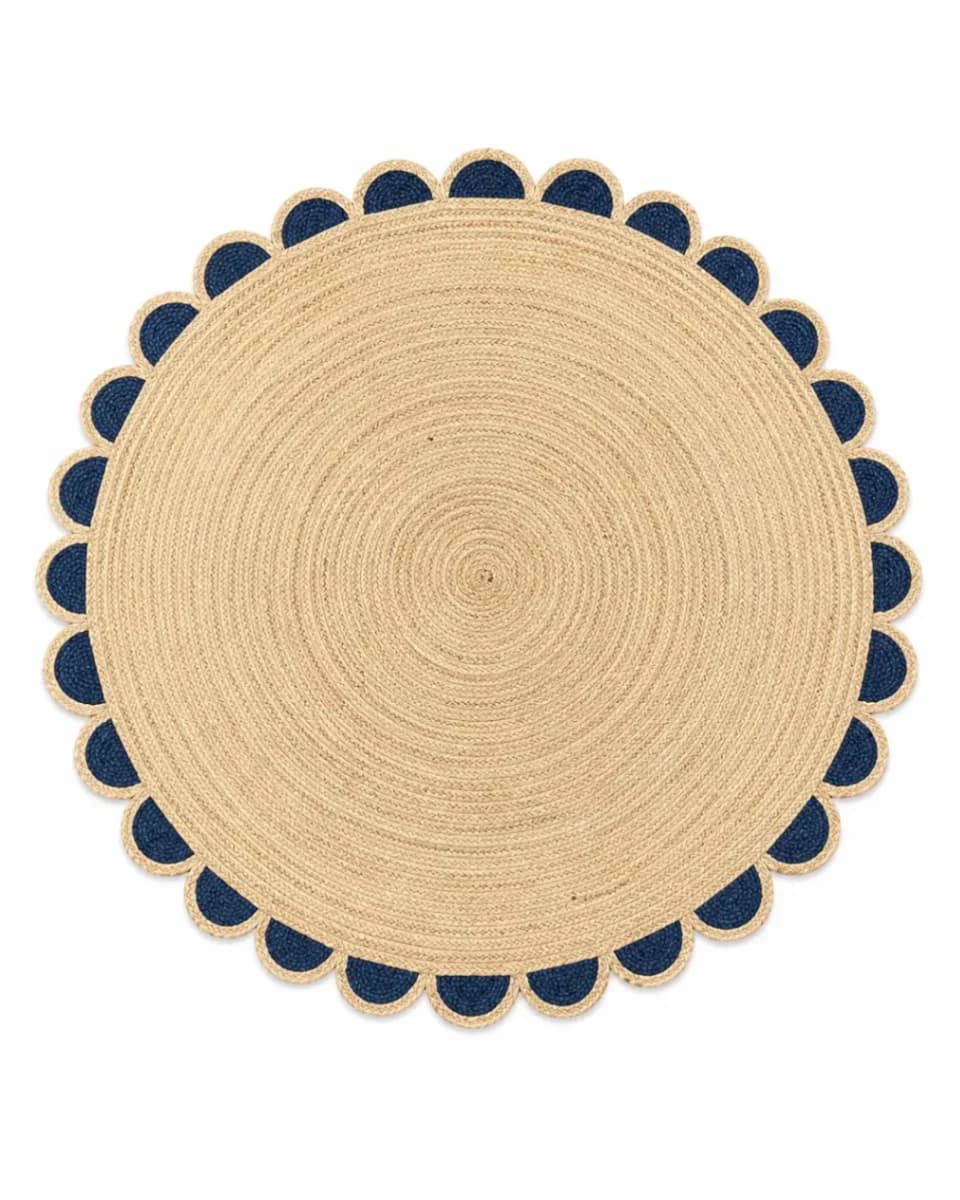
- The Rug Connection: A Japandi room demands texture without visual noise. A chunky patterned rug will ruin the zen aesthetic. Instead, opt for a tightly woven, natural golden jute rug or a minimalist bleached jute-wool blend.
How to Style a Japandi Room
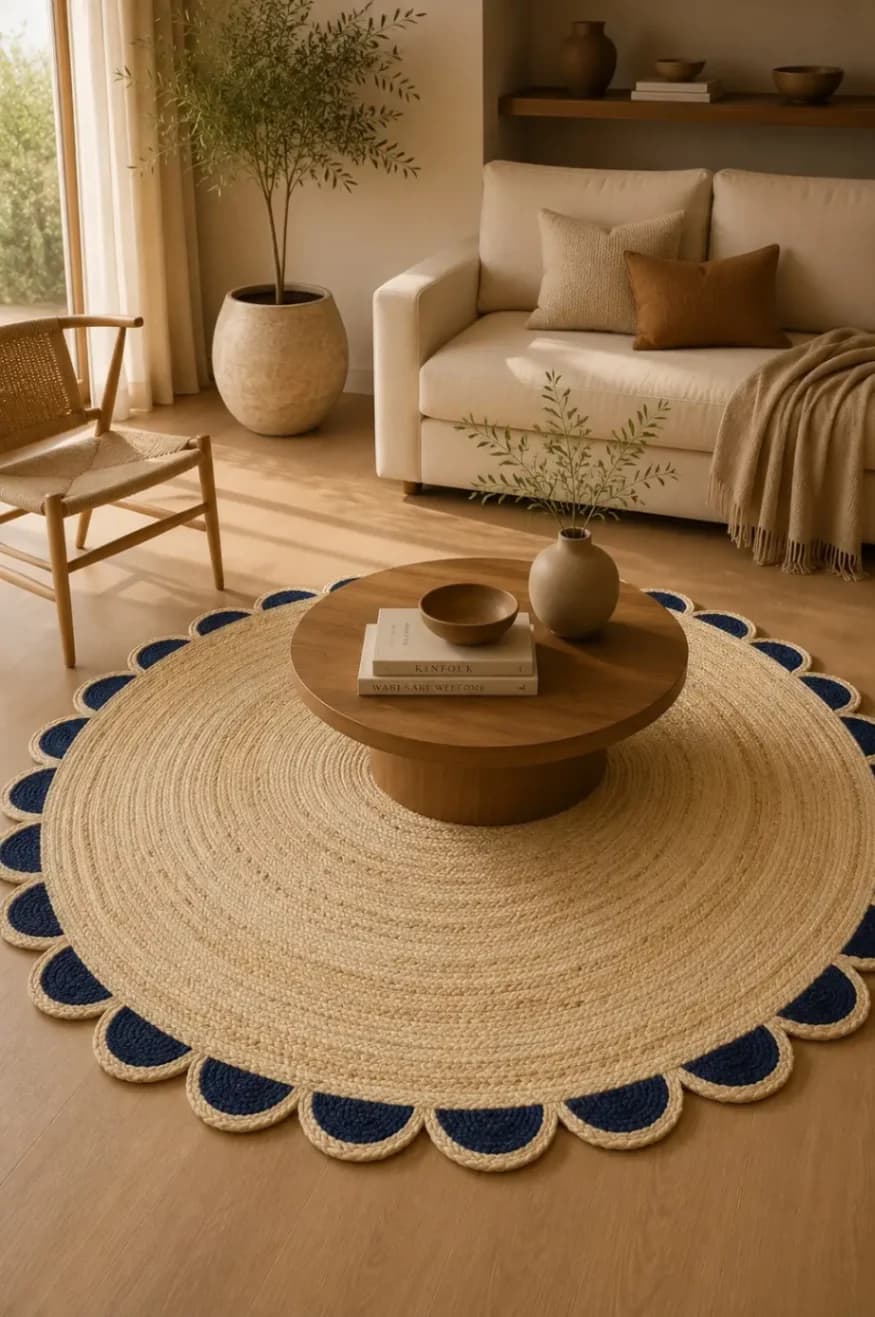
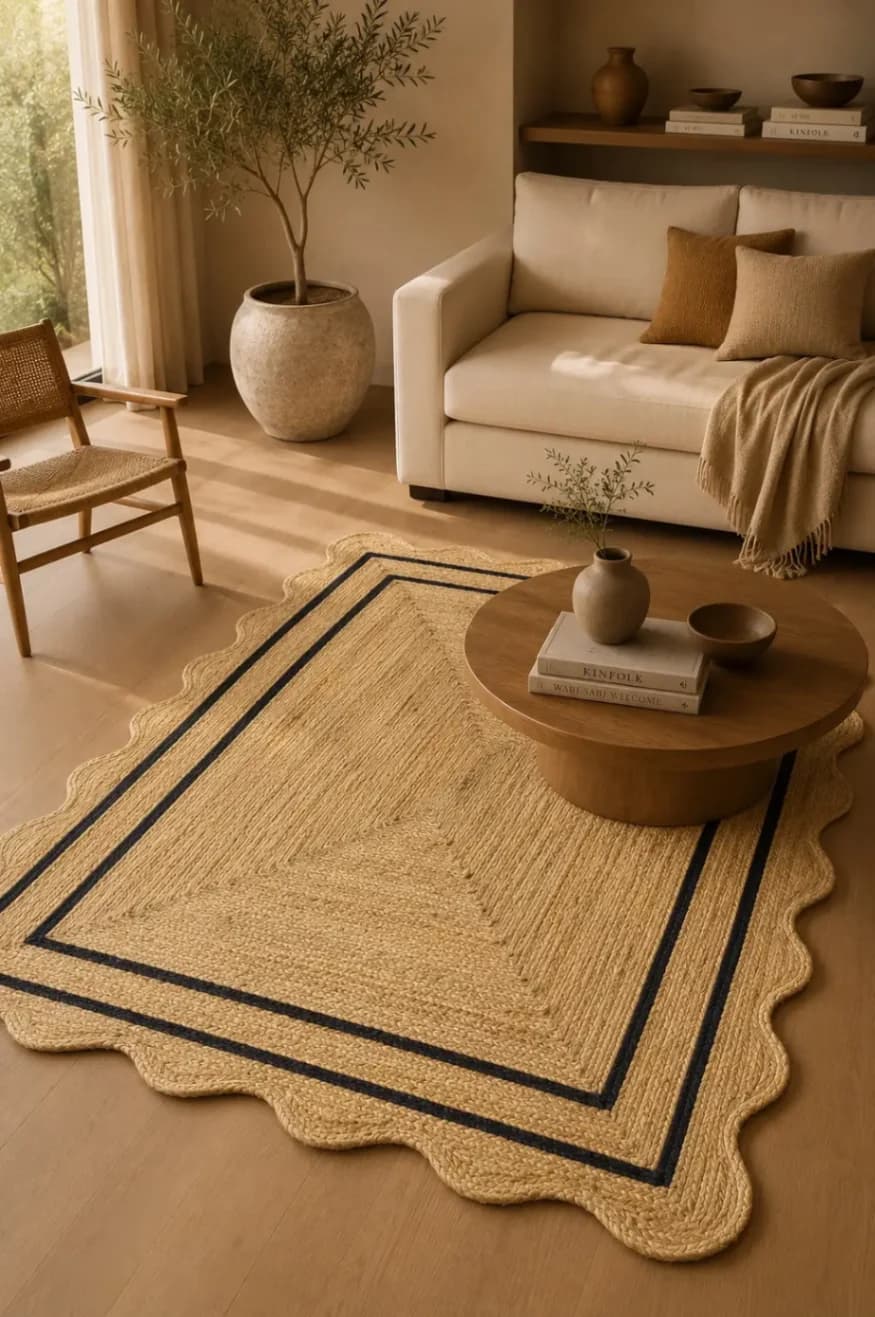
Keep the floor open. Choose an oversized rug (see our Rug Size Guide) that easily encompasses all your low-profile furniture. The rug should provide a soft, textural contrast to the smooth, clean lines of your wooden furniture, grounding the space in earthy warmth. (Need more styling ideas? Read our guide on How to Style a Jute Rug in Any Room).
2. Wabi-Sabi: Finding Beauty in Imperfection
Originating in Japan, Wabi-Sabi is less of an interior design trend and more of a worldview. It is the philosophy of finding beauty in the imperfect, impermanent, and incomplete. In interior design, this translates to spaces that feel lived-in, authentic, and connected to the earth.
Key Elements of Wabi-Sabi
- Materials: Raw, unpolished, and textured. Think limewash walls, handmade ceramics with visible fingerprints, asymmetrical shapes, and distressed wood.
- Atmosphere: A Wabi-Sabi home should feel peaceful but not pristine. It is the opposite of mass-produced perfection.
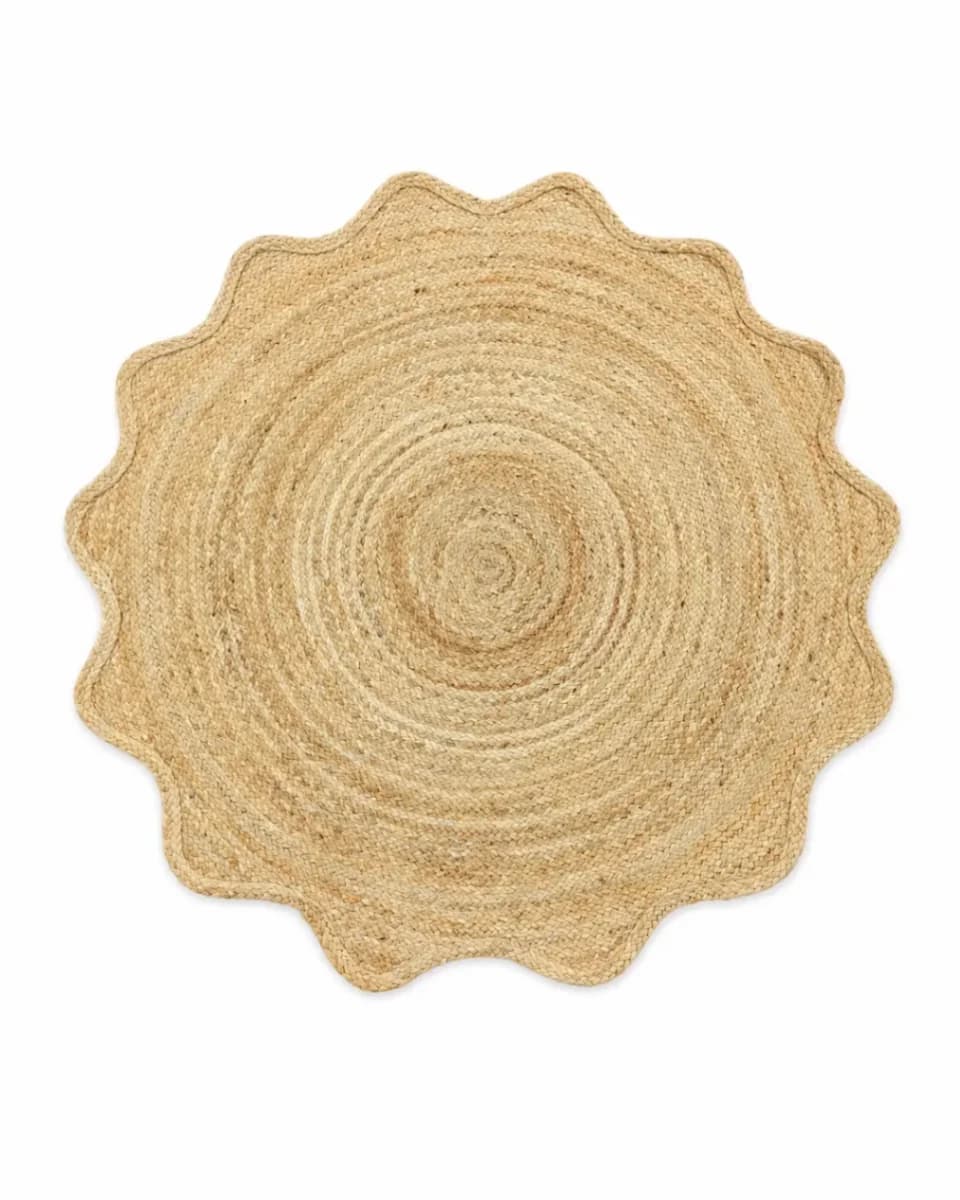
- The Rug Connection: There is no better fit for Wabi-Sabi than a handmade natural fiber rug. Because The Jute's rugs are woven by human hands rather than machines, they possess subtle, beautiful variations in the fiber tension and color. This inherent "imperfection" is exactly what gives Wabi-Sabi its soul.
How to Style a Wabi-Sabi Room
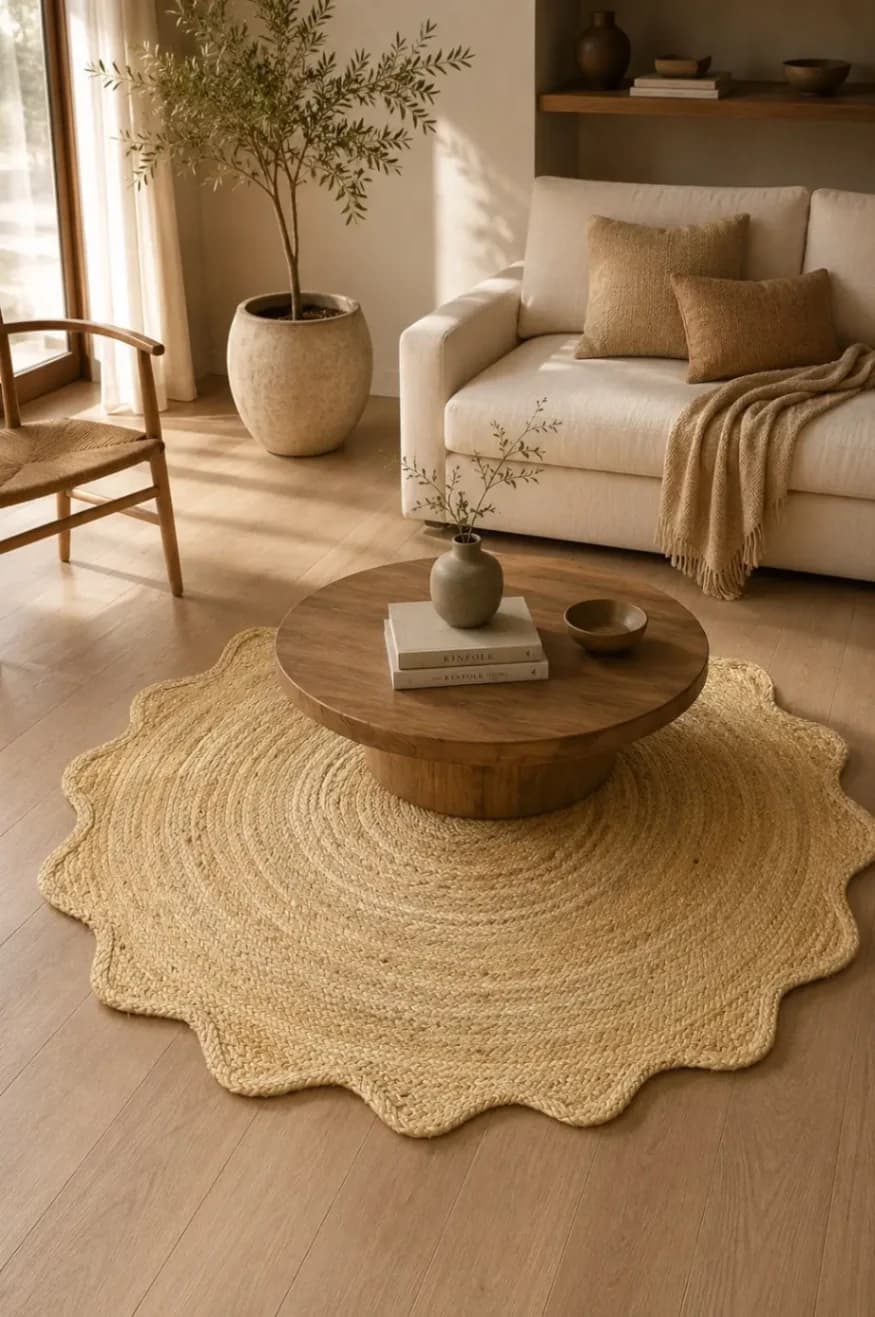
Ditch the harsh overhead lighting in favor of paper lanterns or linen-shaded lamps. Place a thick, hand-tufted jute rug under an asymmetrical, raw-edge wooden coffee table. Do not worry if the edges of your rug are slightly uneven--that is the signature of human craftsmanship. (Learn more about how our rugs are crafted in Handcrafted in Jaipur).
3. Biophilic Design: Bringing the Outdoors In
Biophilic design is based on the scientific premise that humans have an innate biological need to connect with nature. It aims to recreate the calming effects of the outdoors within the built environment.
Key Elements of Biophilic Design
- Visual Nature: Expansive windows, indoor trees, trailing vines, and botanical artwork.
- Natural Analogues: Using organic shapes (curved sofas rather than sharp boxes) and raw materials like stone, rattan, cork, and jute.
- The Rug Connection: A jute rug is quite literally spun from a plant. It brings the tactile sensation of walking on natural, woven grass into the home. Furthermore, jute is one of the most environmentally friendly fibers on the planet. (Read more in our Sustainability Guide).
How to Style a Biophilic Room
Focus on tactile diversity. Layer a textured jute rug under a plush olive-green velvet sofa. Add a living wall or a collection of large potted Monsteras and Ficus trees. The golden hue of the jute perfectly complements the deep greens of indoor foliage, creating a miniature indoor forest floor.
Style Comparison: At a Glance
| Aesthetic | Core Philosophy | Best Jute Rug Match | Key Accent Material |
|---|---|---|---|
| Japandi | Clean, Functional, Cozy | Tight flatweave, Bleached jute | Light Oak, Black Metal |
| Wabi-Sabi | Imperfect, Earthy, Raw | Hand-tufted, Textured blends | Handmade Ceramics, Limewash |
| Biophilic | Nature-connected, Organic | Natural golden chunky weave | Live Plants, Stone, Rattan |
Frequently Asked Questions (FAQs)
Are Japandi and Wabi-Sabi the same thing?+
What colors are considered Biophilic?+
Does a jute rug fit a minimalist aesthetic?+
How do I make my home feel more Japandi?+
Ground Your Space in Nature
Whether you are pursuing the zen lines of Japandi, the authentic imperfection of Wabi-Sabi, or the lush naturalism of Biophilic design, it all begins with the materials you bring into your home.
Explore The Jute's artisan-crafted collection of natural fiber rugs to find the perfect organic foundation for your mindful space. If you need a unique size for a Wabi-Sabi inspired asymmetrical layout, visit our Custom Studio.