
When shopping for a new rug, the focus is almost always on color, size, and style. But as consumers become increasingly conscious of their environmental footprint, a new question has emerged: Is my rug sustainable?
If you are looking at synthetic rugs (like polyester or nylon), the answer is a resounding no. These rugs are made from petroleum, shed microplastics into your home, and will sit in a landfill for centuries.
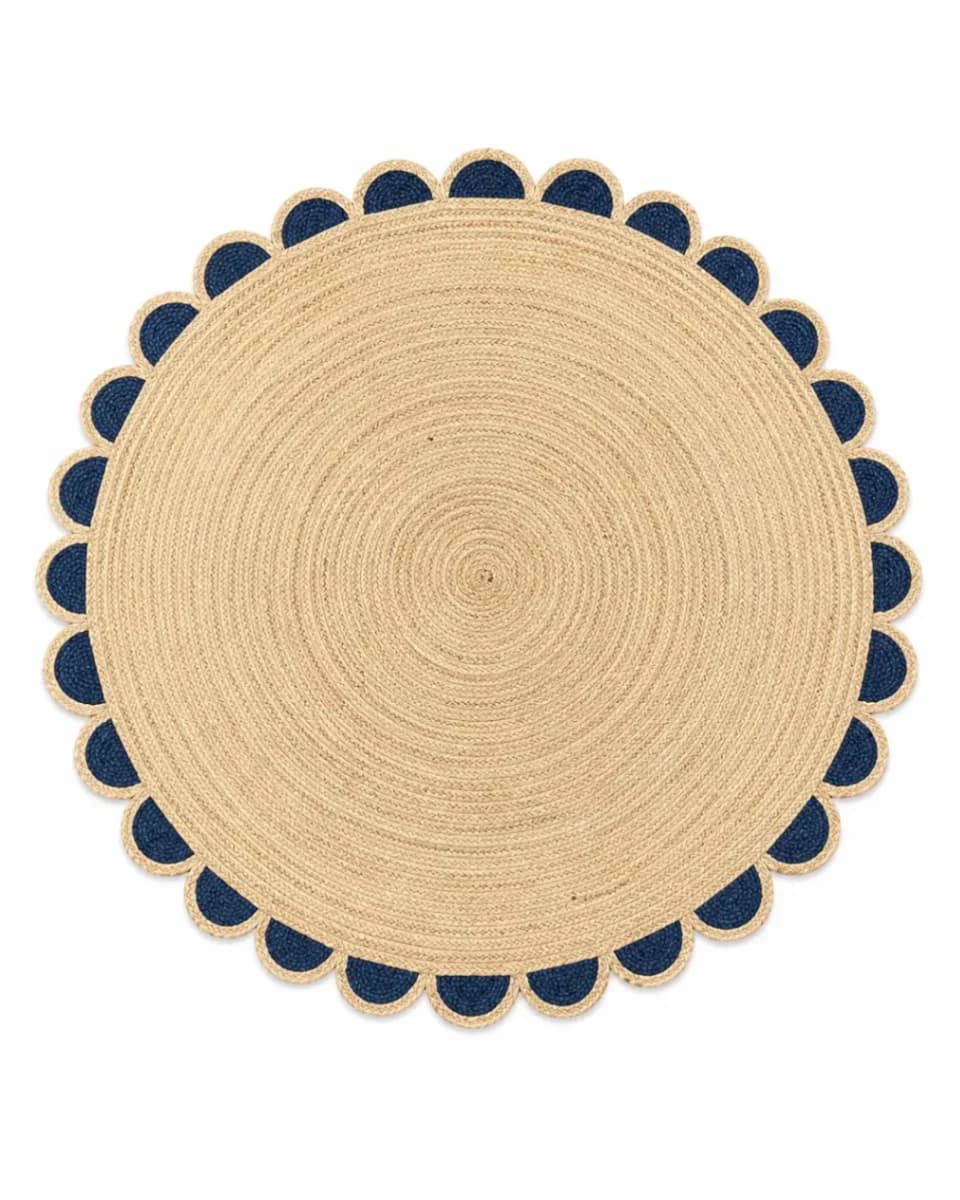
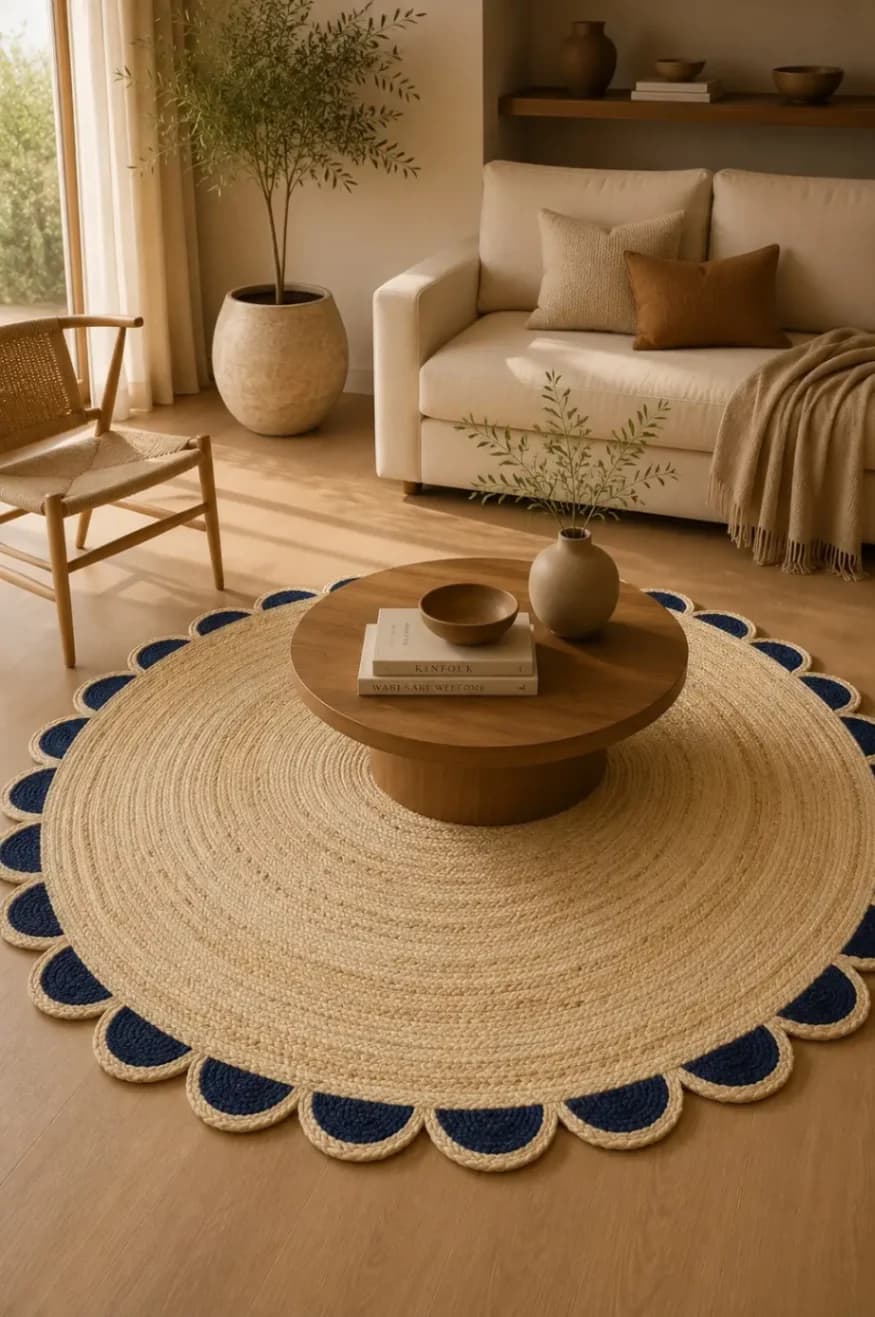
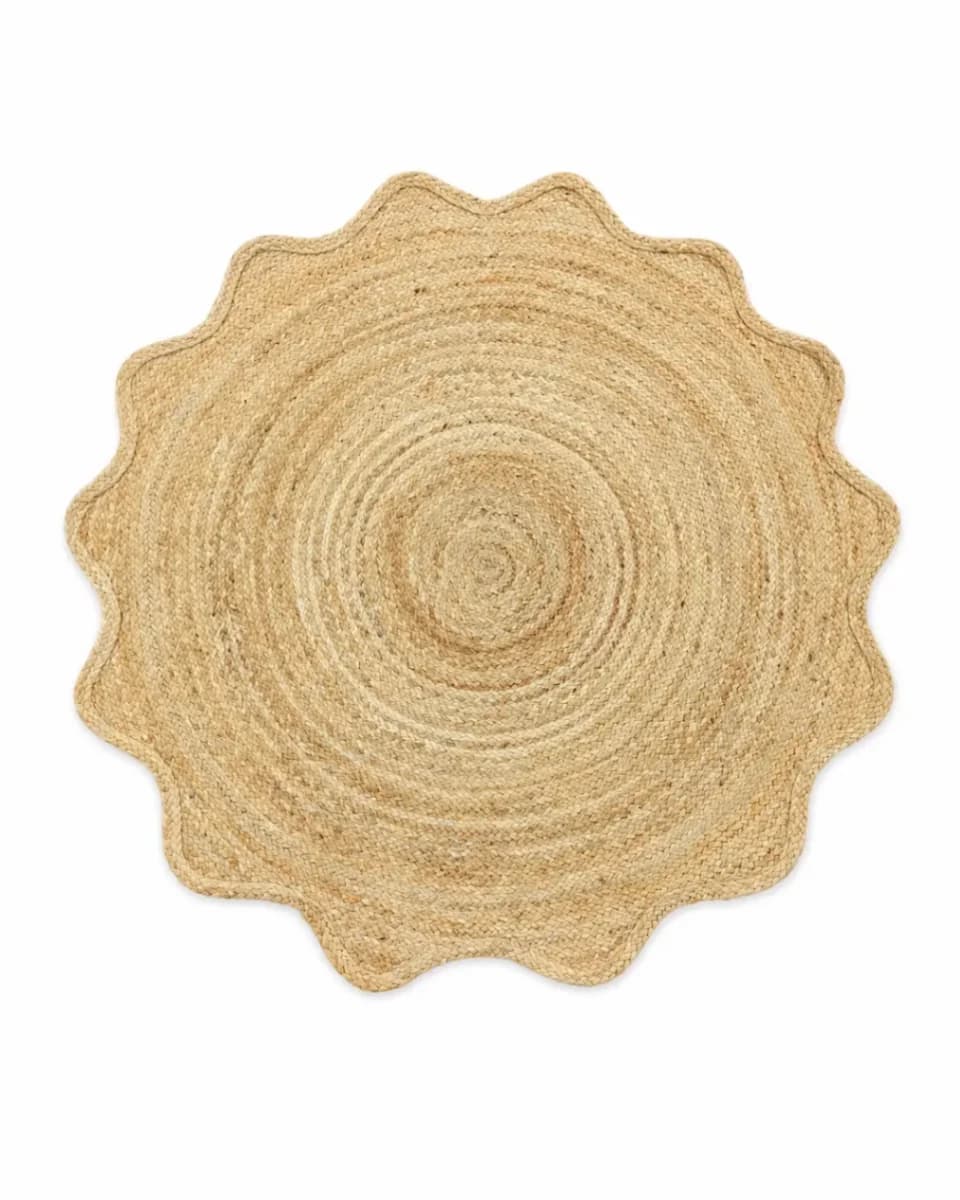
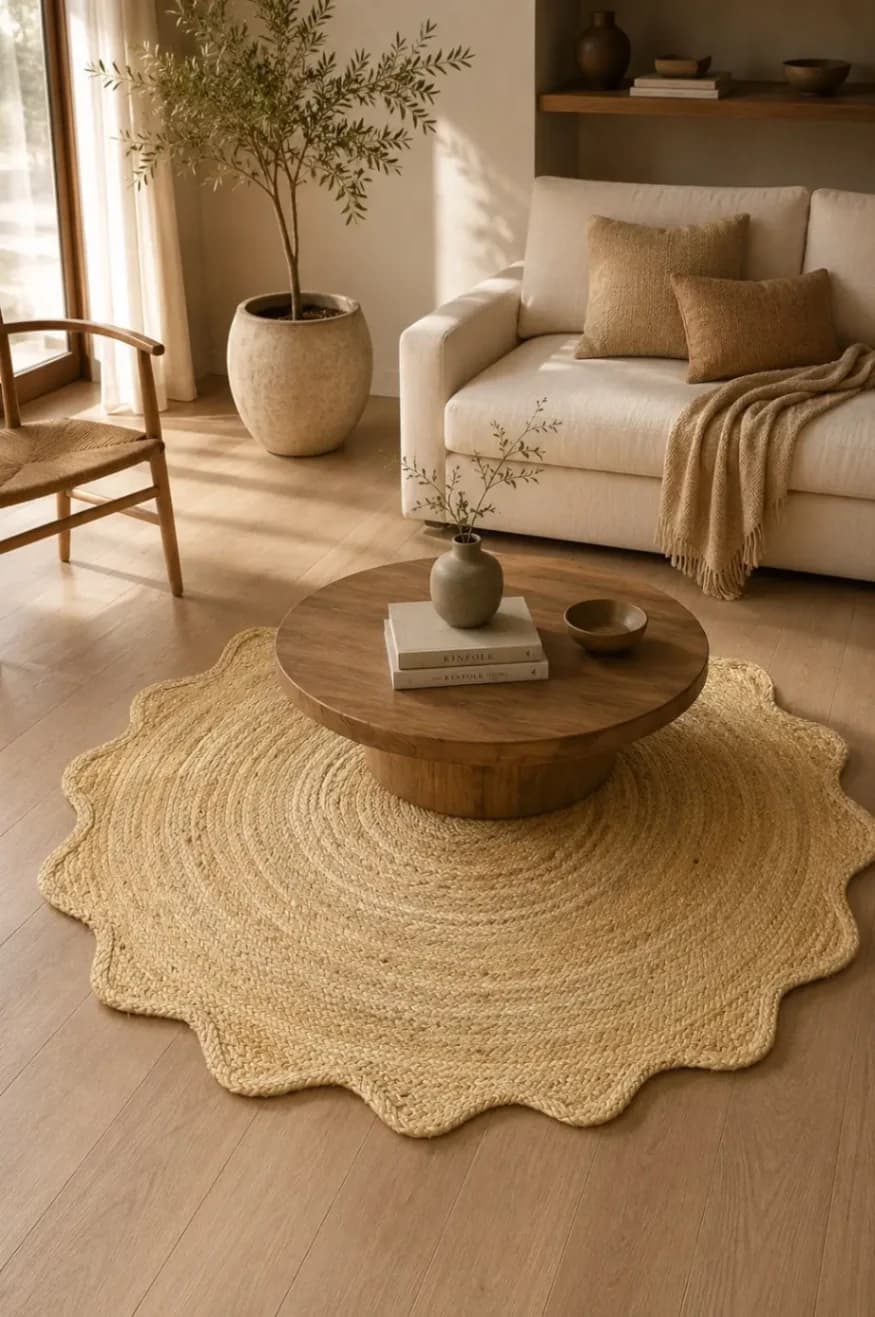
But if you are looking at a jute rug, you are looking at one of the most eco-friendly, sustainable textiles on the planet. In this guide, we explore why jute is affectionately known as the "golden fiber" and why it is the ultimate choice for a sustainable home.
What is Jute?
Jute is a long, soft, shiny bast fiber that can be spun into coarse, strong threads. It is extracted from the bark of the white jute plant (Corchorus capsularis), which grows primarily in the monsoon climates of the Bengal delta in India and Bangladesh.
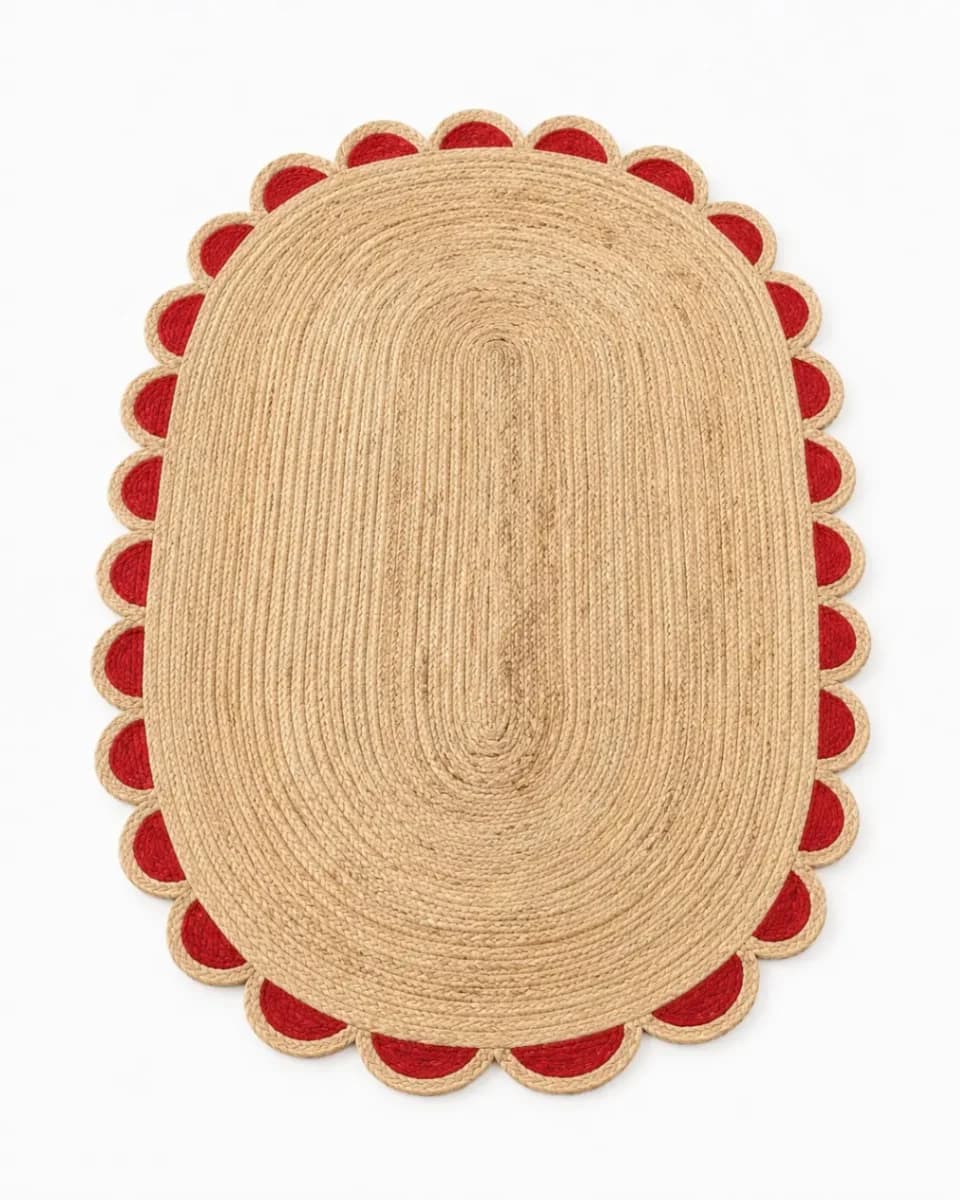
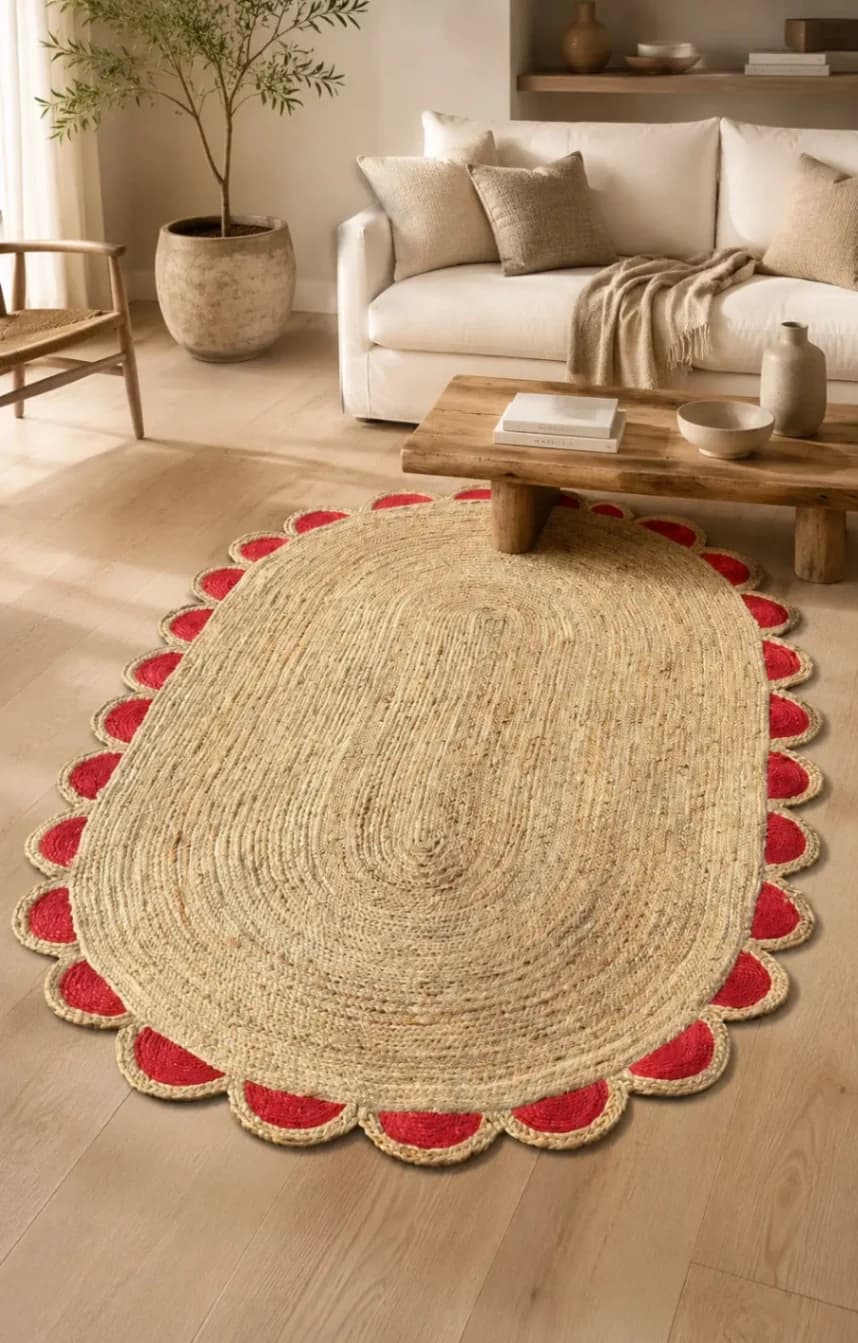
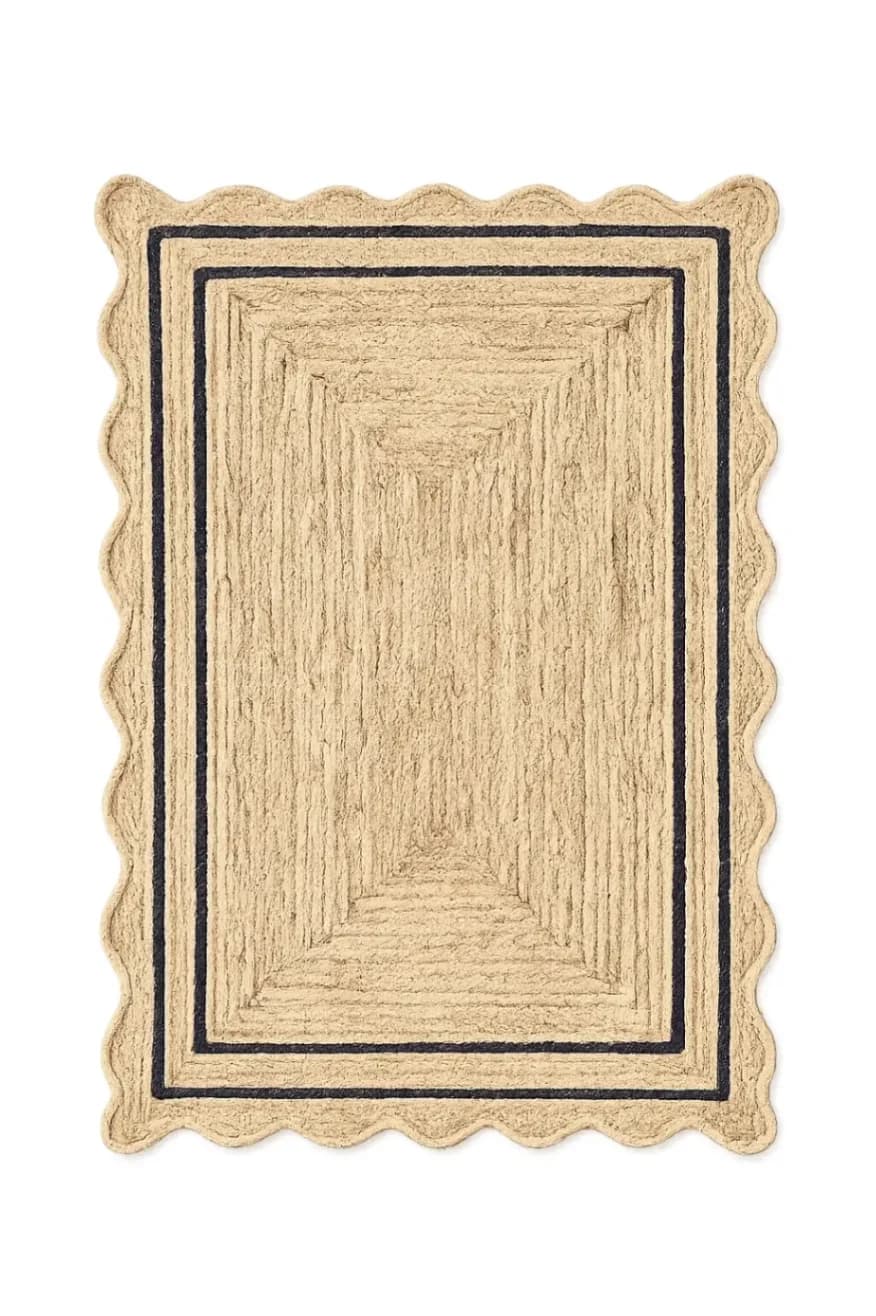
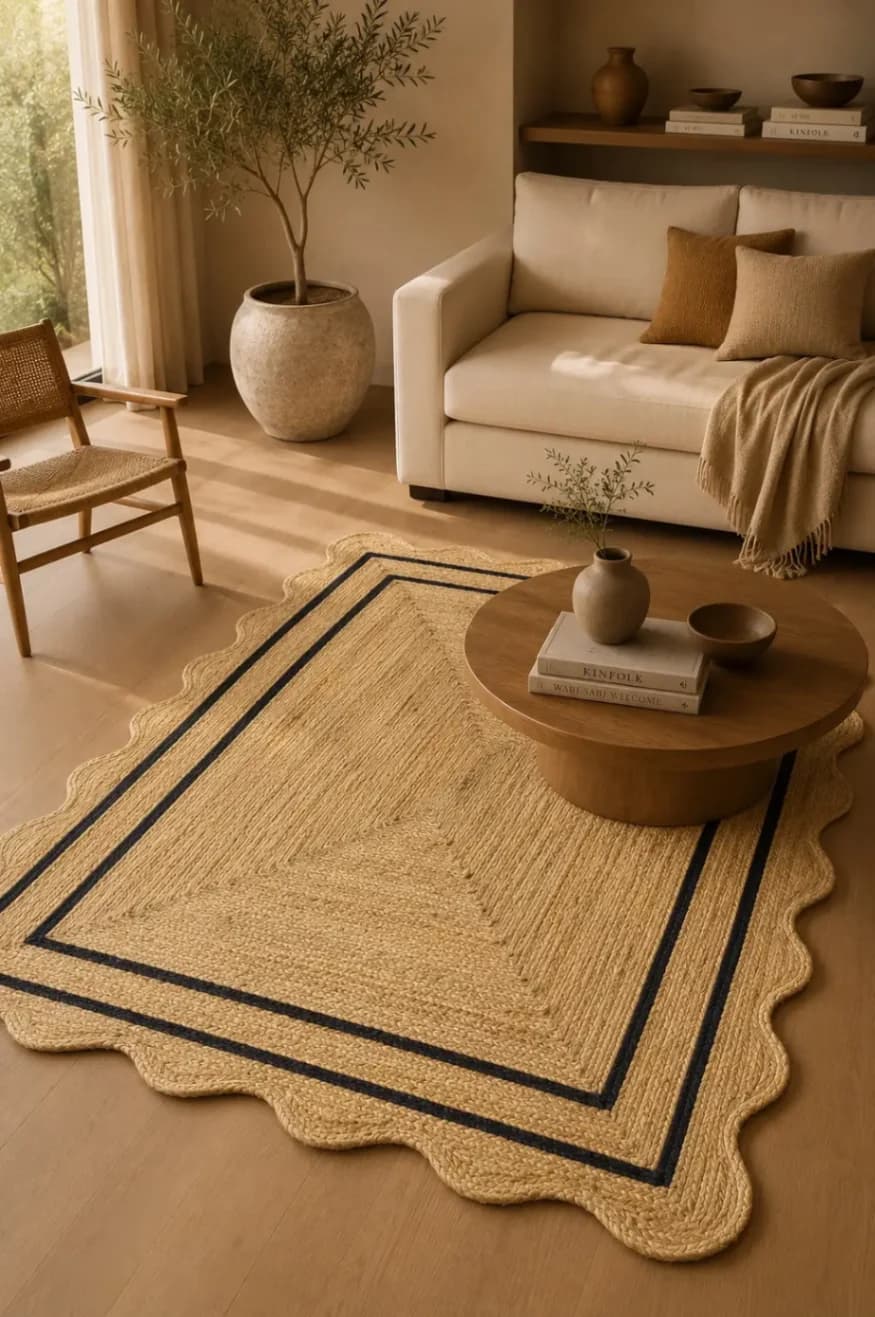
Second only to cotton in terms of global production, jute has been used for centuries to make burlap, twine, and hessian cloth. Today, its natural sheen and durability make it a highly sought-after material for premium, handmade rugs.
5 Reasons Why Jute is the Most Sustainable Rug Material
1. It is 100% Biodegradable and Recyclable
The biggest problem with synthetic rugs is their end-of-life impact. A polypropylene rug cannot be easily recycled and will pollute the earth for hundreds of years. Jute, on the other hand, is completely biodegradable. At the end of its life, a pure jute rug can literally be composted, returning its nutrients directly to the soil without leaving toxic residue.
2. It Absorbs Massive Amounts of Carbon
Jute plants are environmental superheroes. During a single growing season (which only takes about 100 to 120 days), one hectare of jute plants can absorb approximately 15 tons of carbon dioxide and release 11 tons of oxygen. This carbon sequestration rate is significantly higher than most trees.
3. It Requires Almost No Pesticides or Fertilizers
Unlike cotton, which is notoriously thirsty and heavily reliant on toxic pesticides, jute is a highly resilient rain-fed crop. It thrives in the monsoon season, requiring very little human intervention, synthetic fertilizers, or pesticides to grow. This protects the local water tables and ensures the safety of the farmers.
4. It Enriches the Soil for Other Crops
Jute is often used in crop rotation (frequently rotated with rice). The leaves that fall from the jute plant during the growing season act as natural fertilizer, enriching the soil with organic matter. This increases the yield of the subsequent crops, supporting the livelihood of local farming communities.
5. It is Highly Renewable
Because it reaches maturity in just 4 to 6 months, jute is an incredibly fast-growing, highly renewable resource. It does not lead to deforestation and requires relatively little land to produce a high yield of fiber.
(Interested in how we turn this raw plant into a rug? Read our behind-the-scenes guide: Handcrafted in Jaipur).
Jute vs. Synthetics: The Microplastic Problem
One of the least discussed dangers of synthetic area rugs is indoor air pollution. Polypropylene and nylon rugs break down over time, shedding microscopic plastic fibers into the air you breathe and the dust on your floors.
Because jute is a natural plant fiber, it does not shed microplastics. While a new jute rug may shed a few organic plant fibers initially, these are completely harmless to your respiratory system and the environment.
Sustainability at The Jute
At The Jute, sustainability is not a marketing tactic; it is the foundation of our business model.
- Artisan Welfare: Sustainability includes human welfare. We partner directly with artisans in India, ensuring fair wages and safe working conditions.
- Non-Toxic Processing: We do not use harsh chemical bleaches to strip our jute. Any dyes used are AZO-free and non-toxic.
- Natural Backing: Many "natural" rugs use synthetic, toxic glues for backing. Our hand-tufted rugs use natural latex to secure the fibers.
Frequently Asked Questions (FAQs)
Are jute rugs toxic?+
Is jute more sustainable than cotton?+
Can a jute rug be recycled?+
Design a Home You Can Feel Good About
You shouldn't have to compromise between beautiful interior design and environmental responsibility. By choosing a natural fiber rug, you are investing in a healthier home and a healthier planet.
Shop our collection of sustainable, handmade jute rugs and bring the golden fiber into your space today.