
Designing a home in India requires a delicate balance. You want a space that feels deeply connected to our rich aesthetic heritage, but you also need materials that can survive the intense realities of the Indian climate: stifling humidity, torrential monsoons, and relentless urban dust.
Heavy, synthetic wall-to-wall carpets (which are popular in the West) trap heat and dust, making them a poor choice for Indian homes. This is why interior designers across Mumbai, Delhi, and Bangalore are increasingly turning to natural fibers like jute.
But not all jute is created equal. In this guide, we explore the best types of jute rugs for Indian homes and how to maintain them in our unique climate.
Why Jute is the Ultimate Fiber for Indian Homes
Jute is native to the Indian subcontinent. It literally grows in the humid deltas of Bengal. Because it is a highly breathable, porous natural fiber, it does not trap heat the way synthetic polyester or heavy wool does. This makes it the perfect foundational layer for homes in tropical or sub-tropical climates.
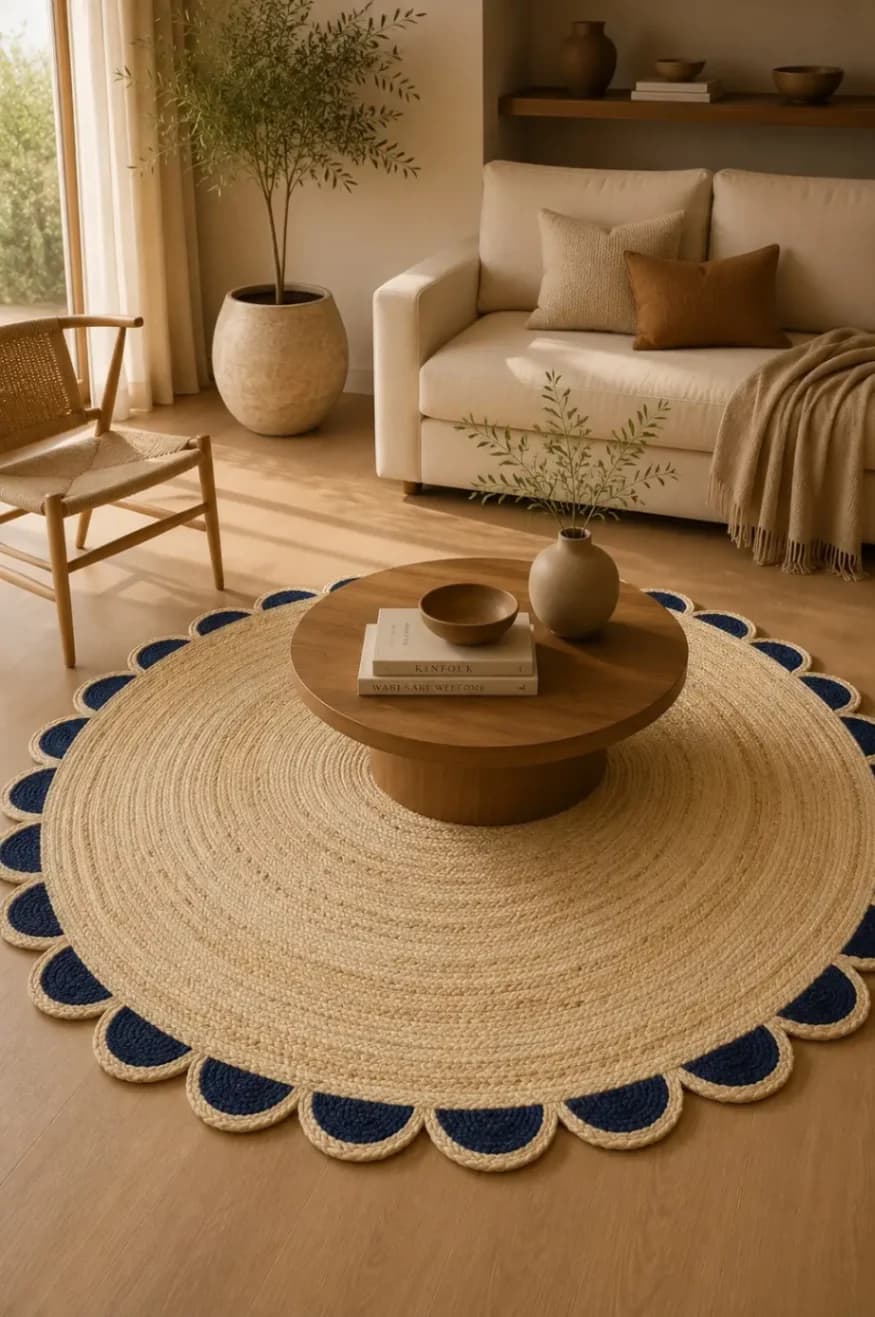
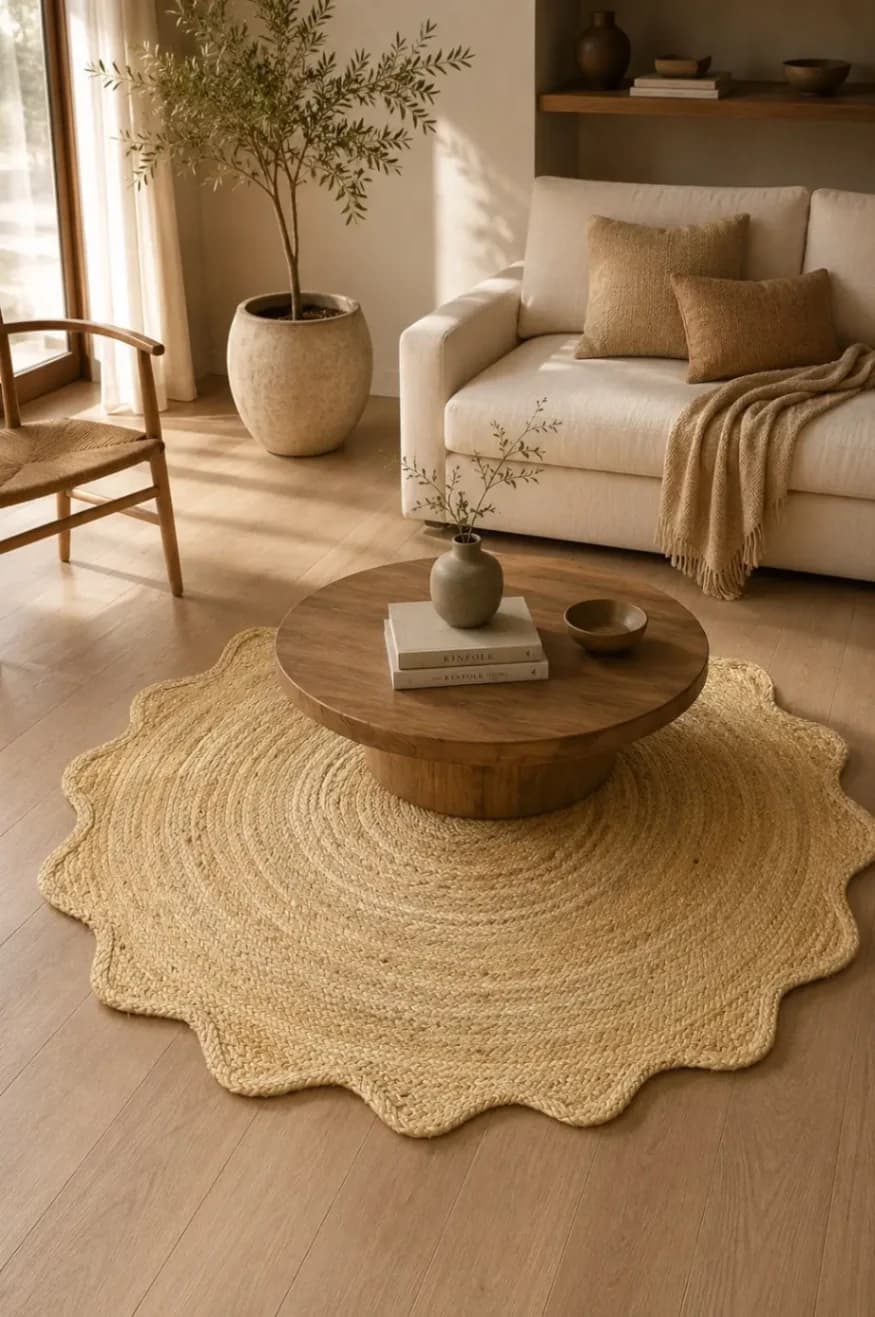
Furthermore, the golden, earthy tone of jute perfectly complements traditional Indian aesthetics--from dark teakwood furniture to vibrant block-printed textiles.
The Challenge: Dust & Monsoon Moisture
While jute is breathable, it faces two main enemies in India:
- Urban Dust: Dust settles deep into the weave of a rug.
- Monsoon Humidity: Jute is highly absorbent. In 90% humidity, it can absorb moisture from the air, which can lead to a damp smell or even mildew if the room isn't well-ventilated.
How to Choose the Right Jute Rug for India
To combat these challenges, you must choose the right construction.
1. Opt for Hand-Tufted over Chunky Braids
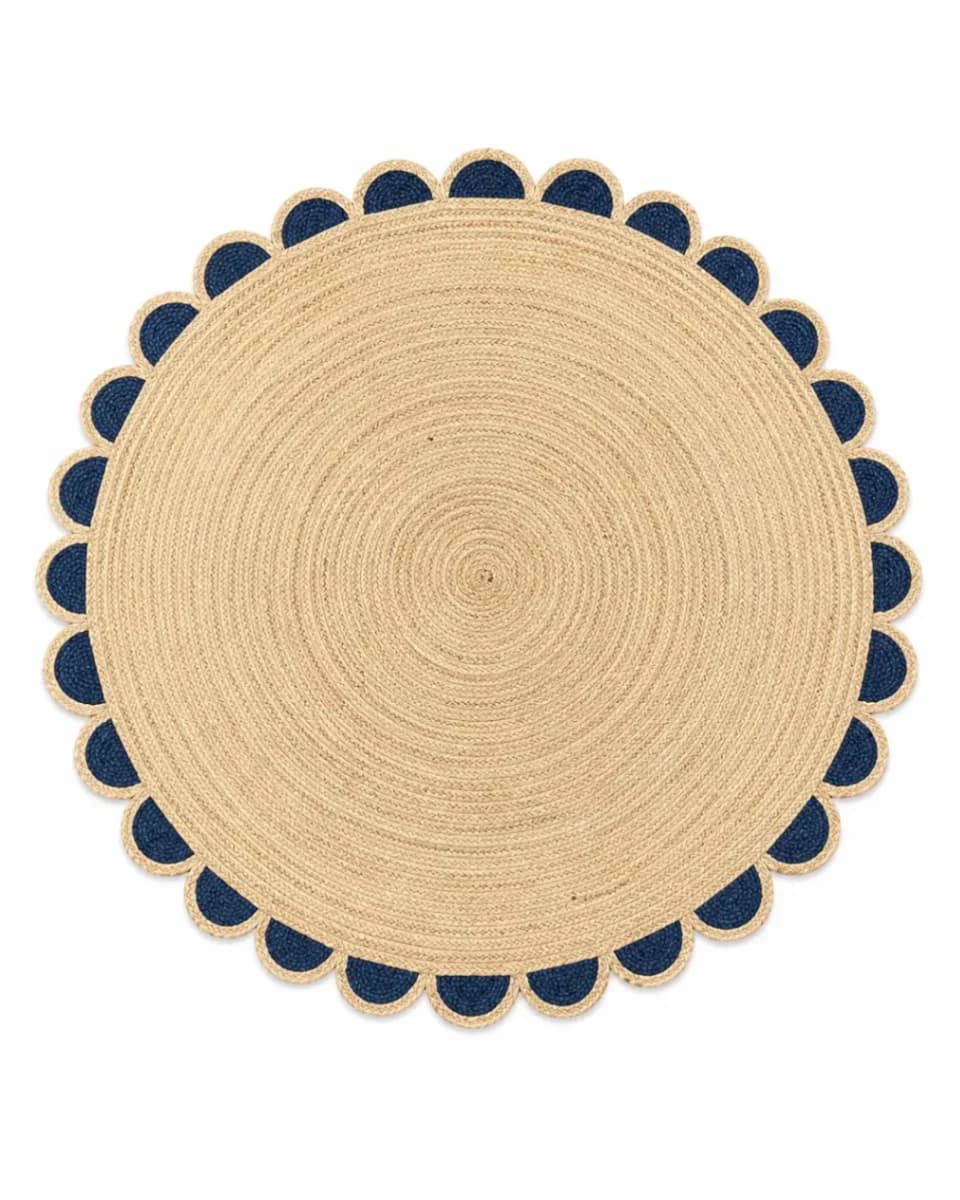
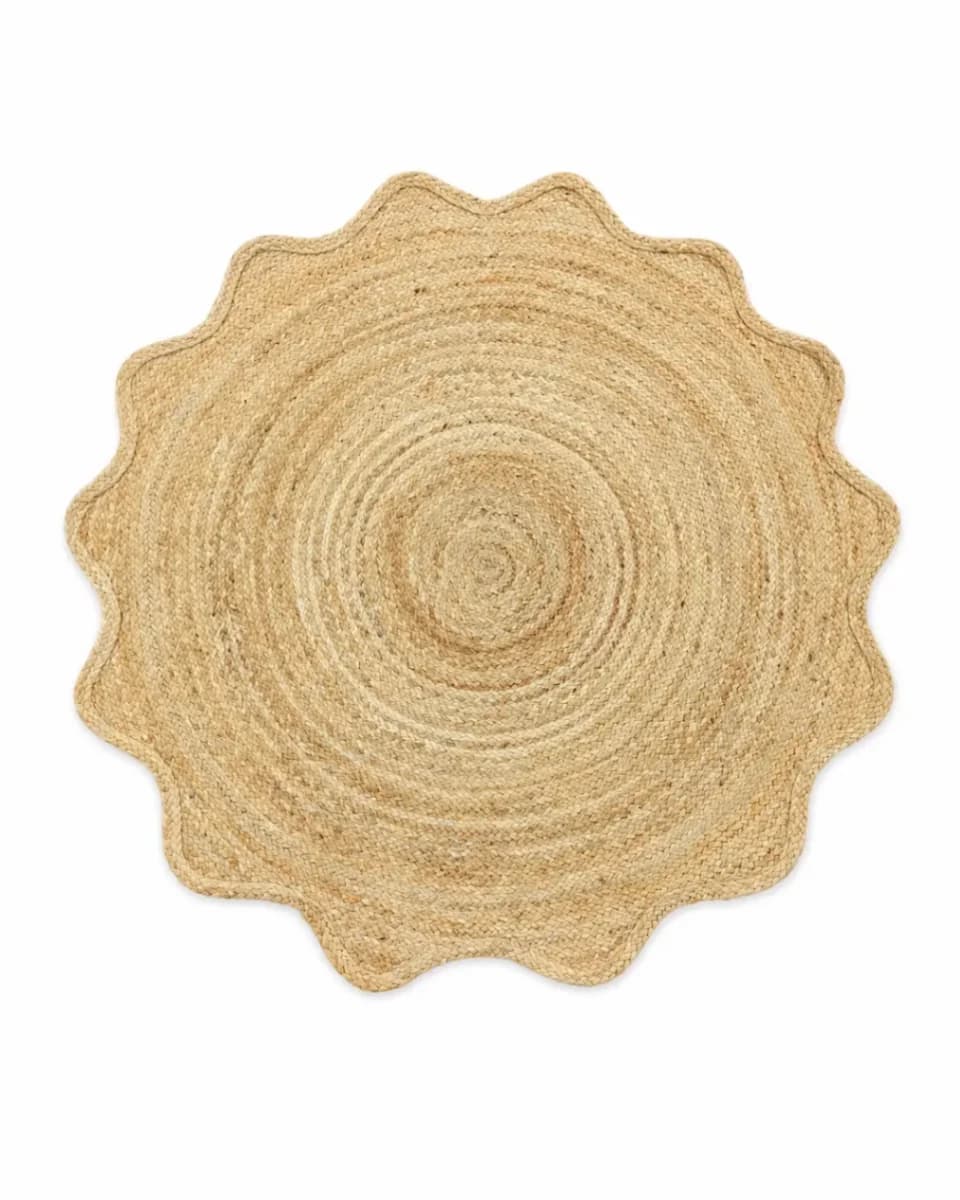
While chunky braided flatweaves look beautiful, their deep crevices are dust traps. In a dusty Indian city, a braided rug requires intense, daily vacuuming. The Solution: Choose a hand-tufted jute rug (or a jute-wool blend). Because the pile is cut flat and densely packed, dust sits on the surface rather than sinking into the core, making it incredibly easy to sweep or vacuum.
2. Avoid Pure Jute in Coastal Cities (Mumbai, Chennai)
If you live in a city with extreme year-round humidity, a 100% pure jute rug might absorb too much ambient moisture. The Solution: Opt for a Jute-Wool blend. Wool naturally repels moisture (thanks to lanolin) and acts as a protective barrier, preventing the jute from becoming damp.
3. Stick to Light, Bleached, or Natural Colors
Dark, solid-colored rugs (like navy or black) show every single speck of light-colored dust. The natural golden hue of jute acts as the perfect camouflage for daily dust, meaning your home looks cleaner, longer. (See how this fits into your decor in our Aesthetic Guide).
Maintenance Tips for the Monsoon Season
The monsoon season requires a shift in your rug care routine. (Read our full Cleaning Guide for general tips).
- Ventilation is Key: Never leave a jute rug in a closed, damp room. Keep ceiling fans running and windows open (when it is not raining) to keep air circulating.
- The Sun Cure: On those rare sunny days during the monsoon, roll up your rug and place it in direct sunlight for a few hours. The UV rays will kill any lingering bacteria and completely dry out the natural fibers, instantly removing that "damp" smell.
- Baking Soda: Once a month, sprinkle dry baking soda over the rug, leave it for two hours, and vacuum it up. This naturally absorbs deep moisture and odors.
Native Elegance
At The Jute, we are proud to craft our rugs in Jaipur and Bhadohi. We understand the Indian climate because we live in it.
Whether you are designing a breezy apartment in Bandra or a sprawling farmhouse in Chattarpur, explore our collection of climate-resilient natural rugs. Need a massive rug for a joint-family living room? Visit our Custom Studio.